
In order to improve inclusive education and the availability of support, the Zenica Pedagogical Institute, in cooperation with the United Nations Development Programme (UNDP), Office in Sarajevo, and as part of the project “Better Governance for Faster Economic Growth” (EGG2) funded by the Government of the Kingdom of Norway, has begun the procurement of assistive technology kits.
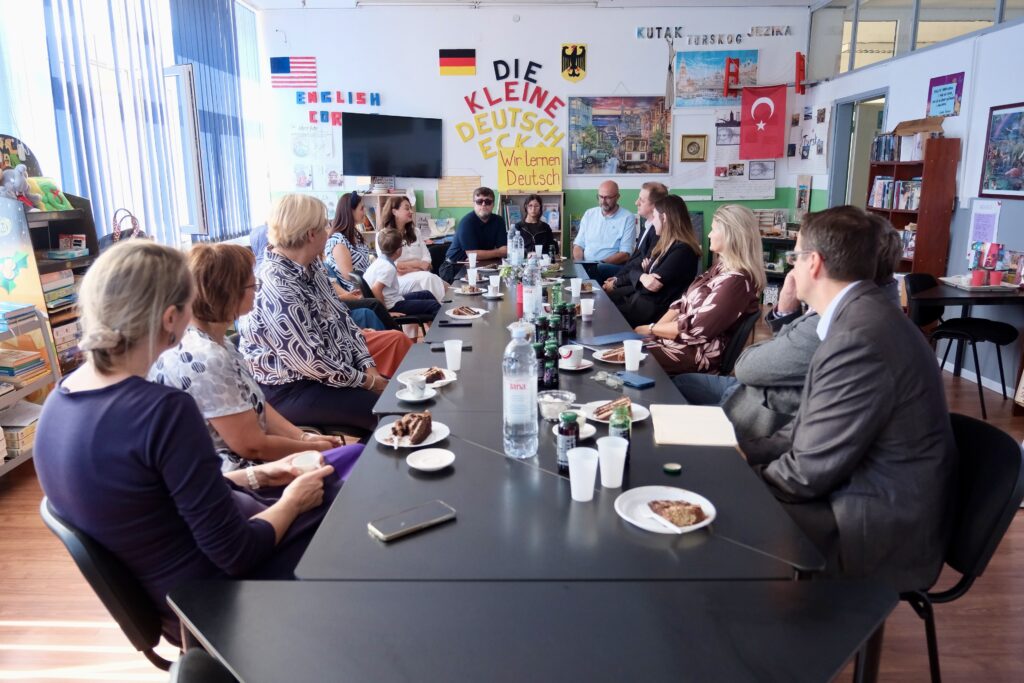
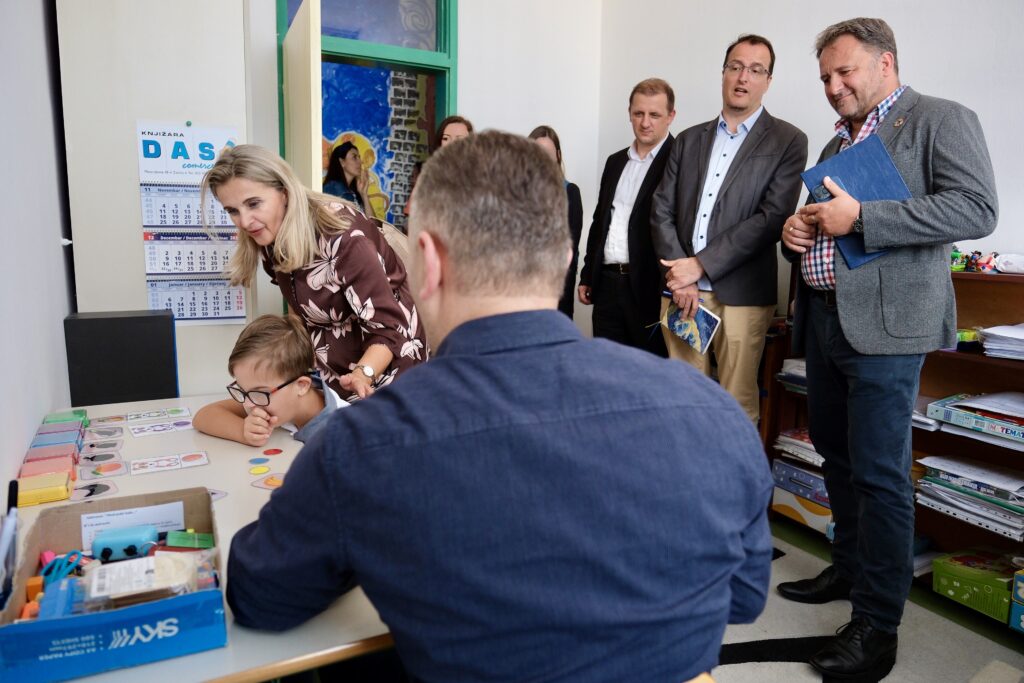
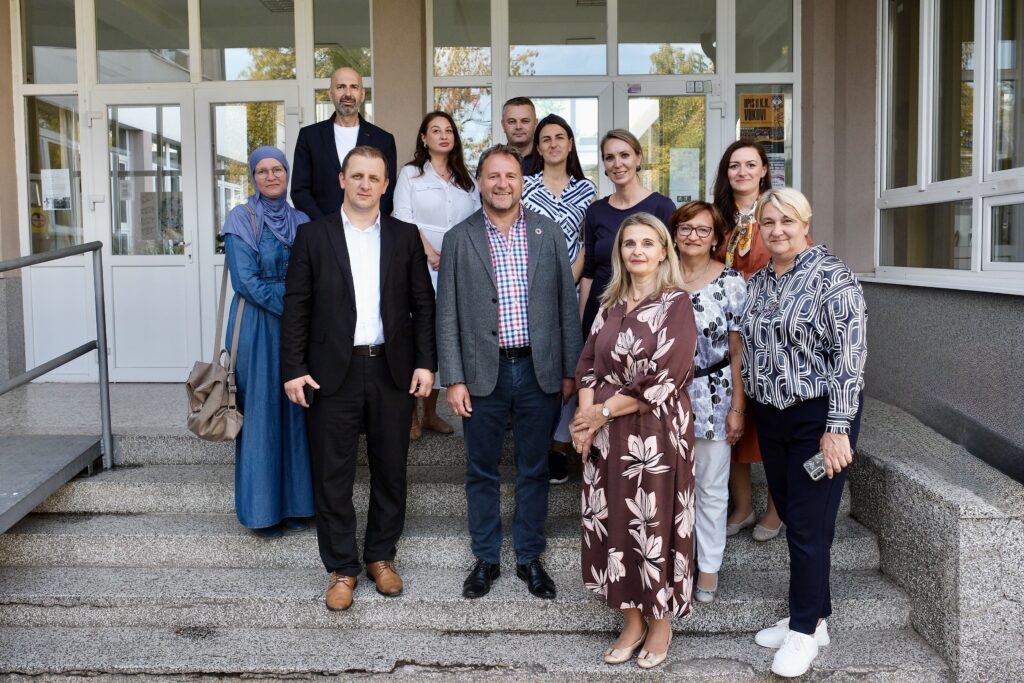
Based on the established criteria: the number of students with developmental disabilities, the type of developmental disability present, and the complexity of implementing inclusive teaching, 14 primary schools in Zenica-Doboj Canton were selected to receive this equipment. The equipment was delivered to the schools in September 2025. On this occasion, a visit was organized by the UNDP Resident Representative Renaud Meyer and his associates, together with representatives of the Pedagogical Institute, led by Director Aida Salkić, to the inclusive team of the Primary School “Mak Dizdar” Zenica, led by Director Amela Numanović, during which the importance of improving inclusive education was emphasized and individual work with the help of assistive technology was observed.
Assistive technologies play a key role in supporting students with disabilities within the inclusive education system. These technologies enable students with disabilities to overcome obstacles in communication, access to educational content and social interaction, which significantly increases their inclusivity and independence. The use of assistive technology contributes to better understanding, more active participation in educational activities and the development of key skills, thus promoting their equality in education. These sets represent an important step towards a more inclusive education system, providing all students, regardless of their disabilities, with equal opportunities for learning and development. The goal is to: increase accessibility and inclusiveness for students with disabilities, encourage independence and self-confidence, help develop communication skills, individualize learning, make teachers’ work easier, and improve social inclusion.
Assistive technologies are not only a tool for facilitating learning, but also a means of encouraging inclusion, equality, and the development of the potential of every student with disabilities. As part of its regular activities, the Zenica Pedagogical Institute will continue to work on improving the educational process in the best interests of students in the Zenica-Doboj Canton and provide professional support to inclusive school teams.